

The Future of Sight: How AI is Revolutionizing Your Eye Exam

Updated: May 21
Artificial Intelligence (AI) is rapidly transforming modern healthcare, and ophthalmology is leading the way. From detecting eye diseases before symptoms appear to improving access to vision care in remote regions, AI is redefining how eye examinations are performed and how eye diseases are managed.
At Claritas Eye & Retina Institute, under the expertise of Dr. Mayank Bansal, advanced technology and patient-centered care come together to provide precise, modern, and proactive eye care solutions. AI-assisted diagnostics are helping ophthalmologists identify retinal diseases earlier, personalize treatments, and improve long-term visual outcomes.
The 21st-Century Eye Exam
From Traditional Eye Charts to Intelligent Diagnostics
For decades, eye examinations primarily relied on visual acuity charts, manual observations, and clinician experience. While these methods remain important, the future of eye care is now increasingly powered by intelligent digital systems capable of analyzing thousands of retinal images within seconds.
Artificial Intelligence refers to computer systems trained to recognize patterns, learn from medical images, and support healthcare professionals in clinical decision-making. In ophthalmology, AI is not designed to replace eye specialists. Instead, it acts as a highly advanced support tool that helps doctors identify subtle abnormalities that may otherwise go unnoticed.
At Claritas Eye & Retina Institute, AI-supported imaging technologies are helping streamline retinal screening and improve diagnostic precision while ensuring that every patient still benefits from expert clinical judgment.
The Retina: A Window into Overall Health
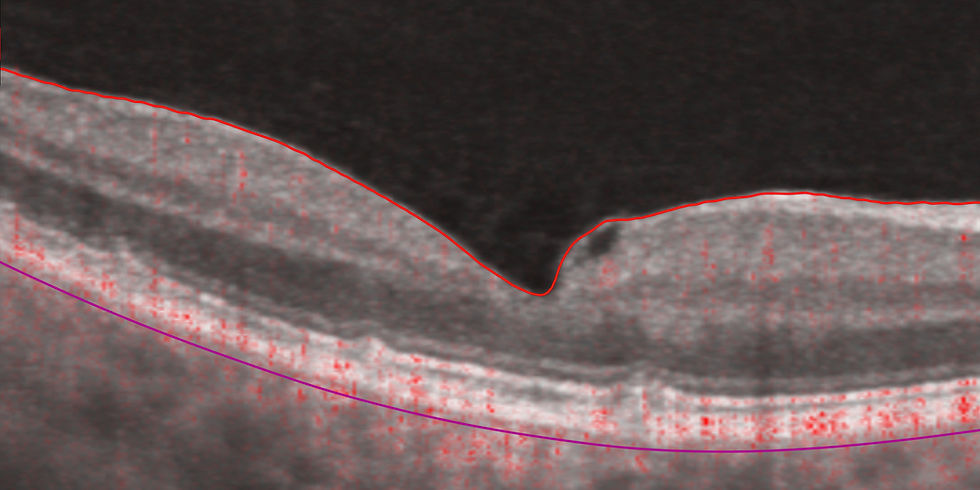
The retina is one of the few places in the body where blood vessels and nerves can be directly visualized without surgery. Because of this, retinal imaging offers valuable information not only about eye health but also about systemic conditions affecting the brain, blood vessels, and nervous system.
AI-powered retinal analysis is now helping doctors identify signs linked to conditions such as diabetes, cardiovascular disease, stroke risk, and neurodegenerative disorders.
Early Detection: Catching Diseases Before Symptoms Appear
One of the greatest advantages of AI in ophthalmology is its ability to detect disease in very early stages — often before a patient notice's symptoms.
AI and Diabetic Retinopathy Detection
Diabetic Retinopathy (DR) is one of the leading causes of blindness worldwide. Damage caused by diabetes can silently affect retinal blood vessels long before vision becomes blurry.
AI systems have revolutionized diabetic eye screening by identifying tiny retinal changes with remarkable accuracy.
One landmark innovation is IDx-DR, the first FDA-approved autonomous AI system for diabetic retinopathy detection in primary care settings. This technology can analyze retinal photographs and determine whether a patient requires referral to an eye specialist.
The benefits of AI-assisted diabetic retinopathy screening include:
Earlier diagnosis before irreversible vision loss occurs
Faster screening for large patient populations
Reduced burden on healthcare systems
Improved access to retinal care in underserved areas
More consistent interpretation of retinal scans
At Claritas Eye & Retina Institute, advanced retinal imaging and diabetic eye evaluations help patients with diabetes protect their long-term vision through timely intervention.
AI in Glaucoma Diagnosis and Monitoring
Glaucoma is often called the “silent thief of sight” because vision loss can occur gradually without warning symptoms.
Traditional glaucoma diagnosis relies on optic nerve evaluation, intraocular pressure measurement, and visual field testing. AI now enhances these methods by analyzing optic nerve photographs and retinal nerve fiber layer scans with extraordinary detail.
AI algorithms can:
Detect early structural damage before noticeable vision loss
Identify subtle progression patterns over time
Predict which patients may be at higher risk of permanent visual impairment
Improve consistency in glaucoma monitoring
This technology supports ophthalmologists by helping them recognize disease progression earlier and initiate treatment at the most effective stage.

Artificial Intelligence and Age-Related Macular Degeneration (AMD)
Age-Related Macular Degeneration (AMD) affects central vision and is a major cause of blindness in older adults.
Modern deep-learning algorithms can evaluate retinal scans and classify AMD severity with accuracy rates exceeding 95% in some studies. These systems mimic neural learning patterns similar to those used by the human brain.
AI-assisted AMD analysis helps:
Detect early retinal changes
Monitor disease progression more accurately
Support personalized treatment planning
Reduce delays in diagnosis
At Claritas Eye & Retina Institute, retinal imaging technologies help identify macular conditions early so treatment can begin before severe vision deterioration occurs.

Beyond the Eye: AI and Systemic Health Prediction
RETFound: A Breakthrough Foundation Model in Ophthalmology
One of the most exciting advancements in medical AI is the development of RETFound, the first ophthalmology foundation model.
Foundation models are trained using massive datasets and can later be adapted for multiple healthcare tasks. RETFound has demonstrated the ability to analyze retinal images and support prediction models for various systemic diseases.
This breakthrough highlights the growing role of retinal imaging in preventive healthcare.
Detecting Heart Disease, Stroke Risk, and Neurological Conditions
The retina contains microscopic blood vessels and neural tissue that reflect changes occurring throughout the body.
AI systems trained on millions of retinal scans are now being studied for their ability to identify patterns associated with:
Heart attack risk
Stroke risk
Hypertension
Parkinson’s disease
Neurological degeneration
Vascular abnormalities
These discoveries may eventually allow eye examinations to become part of broader preventive health screening strategies.
The future of ophthalmology may not only involve preserving vision but also helping identify serious health conditions before major symptoms develop.
Bridging the Healthcare Gap: AI in Rural and Remote Areas
Expanding Access to Eye Care
Many regions still face a shortage of retina specialists and ophthalmologists. AI-powered screening tools are helping bridge this gap by enabling remote retinal evaluations.
Portable retinal cameras combined with AI software can screen patients efficiently in community clinics, rural centers, and telemedicine programs.
This allows patients who may otherwise lack access to specialist care to receive earlier diagnosis and referral.
Cost-Effective Screening Solutions
Studies suggest that AI-assisted screening programs can:
Reduce screening costs by up to 40%
Increase screening coverage by approximately 35%
Improve early disease detection rates
Reduce avoidable blindness through faster referrals
These improvements are particularly important in countries with large populations and limited specialist availability.
Tele-Ophthalmology and Portable AI Devices
Tele-ophthalmology programs are becoming increasingly effective with AI integration.
AI-powered kiosks and portable retinal cameras can:
Capture high-quality retinal images
Provide rapid automated analysis
Facilitate same-day referrals when needed
Support follow-up care in underserved populations
At Claritas Eye & Retina Institute, the focus remains on combining innovation with accessibility to improve retinal care outcomes for patients from all backgrounds.
The Human-AI Partnership: Accuracy Meets Expertise
AI offers speed and precision, but human expertise remains essential.
Helping Doctors Focus on Patients
One of AI’s greatest advantages is efficiency. By automating repetitive image analysis tasks, ophthalmologists can dedicate more time to:
Patient counseling
Treatment planning
Surgical decision-making
Disease education
Personalized care strategies
This creates a more effective and patient-focused healthcare experience.
Ethical Considerations: Navigating the “Black Box”
The Need for Explainable AI
One challenge in AI development is the “Black Box” problem.
Some advanced AI models can generate highly accurate results without clearly explaining how they reached a conclusion. In medicine, transparency is essential.
Researchers are now developing “Explainable AI” systems that help doctors understand:
Why an AI system flagged a specific image
Which retinal features influenced the result
How confident the system is in its findings
This improves accountability and strengthens trust between patients and healthcare providers.
Bias and Fairness in AI Systems
AI models are only as reliable as the data used to train them.
If training datasets lack diversity, AI performance may vary among different ethnic or demographic groups.
To address this concern, modern AI systems are increasingly trained using diverse retinal image databases from varied populations worldwide.
This helps:
Improve fairness and accuracy
Reduce healthcare disparities
Prevent unequal diagnostic performance
Support equitable access to quality eye care
Ensuring ethical AI development remains critical for the future of ophthalmology.
Frequently Asked Questions About AI in Eye Care is
Can AI replace my eye doctor?
No. AI is designed to support and assist ophthalmologists, not replace them. AI can analyze retinal images and identify possible abnormalities, but experienced specialists are still required to interpret results, evaluate over.
Why AI Cannot Replace an Eye Specialist
Despite major advancements, AI cannot replace trained ophthalmologists.
AI systems do not fully understand:
Individual patient circumstances
Complex medical histories
Emotional and psychological factors
Nuanced clinical judgment
Unusual or rare disease presentations
At the end of every AI-assisted examination, the final diagnosis and treatment decision always remain in the hands of the ophthalmologist.
At Claritas Eye & Retina Institute, Dr. Mayank Bansal carefully reviews all clinical findings and imaging results to ensure patients receive accurate and personalized care.


Comments